Buying
August 6, 2026
Your 2026 checklist for buying a flat for the first time
Buying a flat for the first time is a bit different to buying a house. You are not just buying the rooms you walk through. You are buying into a building, a set of shared costs and a long legal document that most people never think to ask about until it is too late.
None of it is as daunting as it sounds. You just need to know what to ask, and when. Here is what to look at during the viewing, what to hand over to your solicitor, and what has changed in 2026.
Start with the lease
Nearly every flat in England and Wales is sold leasehold. In plain terms, you own the right to live in the flat for a set number of years, while somebody else owns the building and the ground underneath it. That is why there are rules to follow and charges to pay, and they are all written into the lease.
Scotland works differently; there are no leasehold flats there. You own the flat outright, with shared responsibilities set out in the title deeds instead.
How many years are left?
Ask this before you make an offer, not after. Once a lease drops below 80 years, extending it gets more costly, thanks to a rule called marriage value. Some lenders want to see at least 70 years still running when your mortgage ends, which on a 30-year mortgage means looking for around 100 years today.
Marriage value was removed by the Leasehold and Freehold Reform Act 2024, but that part of the law has not been switched on, so it still applies in 2026. Plan around the rules as they are now.
A short lease does not have to be a dealbreaker. It just means finding out what the extension will cost and deducting that from what you offer. The Leasehold Advisory Service has free guidance on how lease extensions work, and it is written for ordinary buyers rather than lawyers.
What about ground rent?
Ground rent is money you pay the freeholder.
What you want to look out for is a clause that makes it go up over time, particularly one that doubles every 10 or 15 years. Those can make a flat hard to mortgage and hard to sell on. Read the clause itself rather than the figure in the listing.
Is leasehold really being scrapped?
Whilte the Leasehold and Freehold Reform Act 2024 is in place, many changes have not yet come into force. A second piece of legislation, the Commonhold and Leasehold Reform Bill, was published in draft in January 2026, looked at by a parliamentary committee in May, and confirmed in the King's Speech on 13 May 2026. It would ban leasehold for most new flats, make something called commonhold the normal way of owning a flat, and cap ground rents on existing leases at £250 a year.
All good news, eventually. None of it is law yet, and nobody can say exactly when it will be, however, The House of Commons Library keeps an updated summary of where leasehold reform is.
So what does that mean for you? Buy the flat on the lease you are actually being offered. If the lease is short, budget for extending it. Treat any reform that arrives later as a nice surprise rather than something to count on.
Service charges: ask to see the numbers
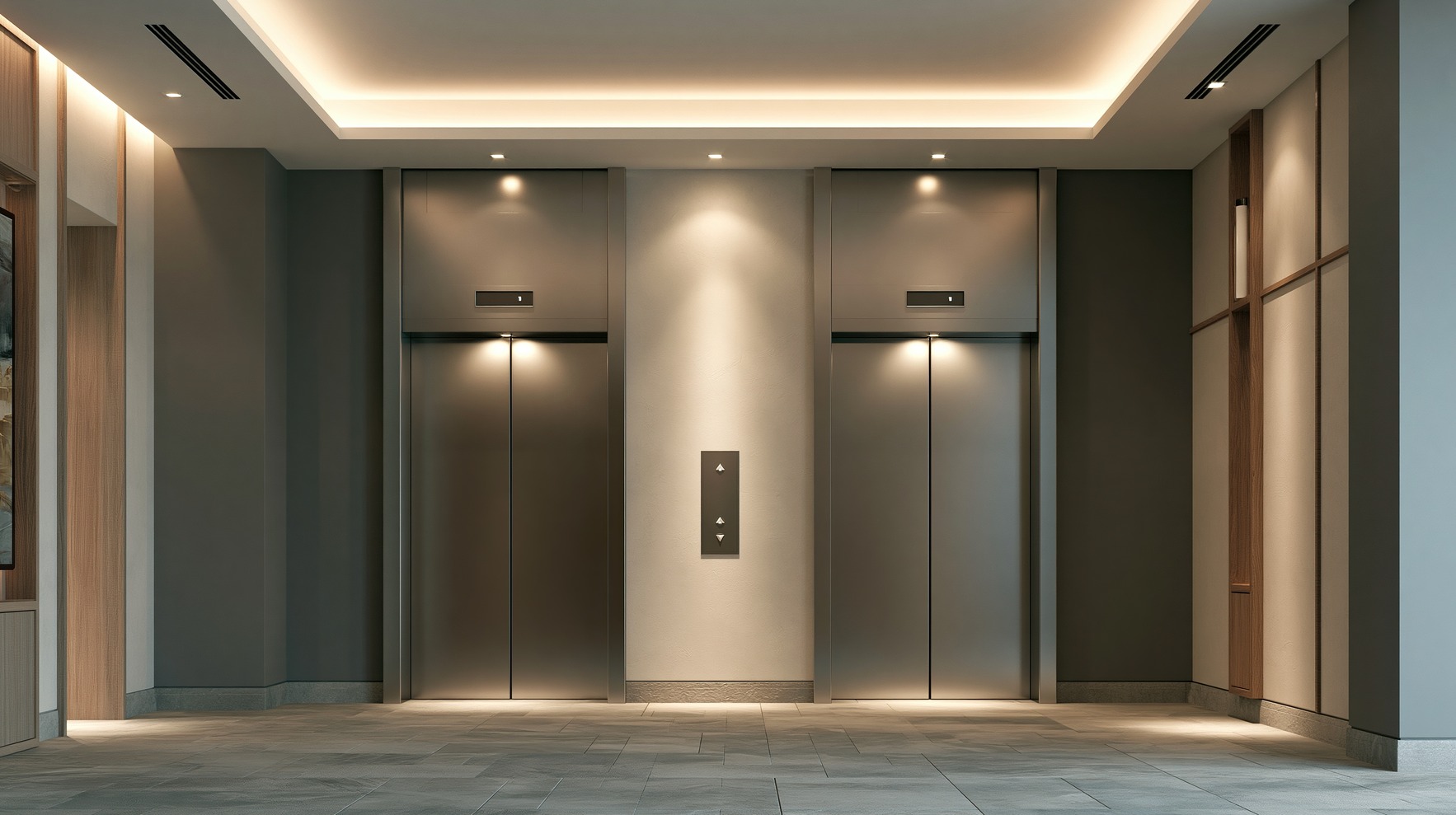
The service charge pays for looking after the building. That usually covers the roof, communal areas, lighting, insurance, any gardens and the lift if there is one.
Find out what it is, find out what it covers, then ask for the last three years of accounts. Three things are worth a proper look:
- Which way it is heading. A charge that has climbed steeply over three years will probably keep climbing.
- The reserve fund. This is the savings pot for big repairs. A healthy one means future work is partly paid for already. An empty one means the bill comes straight to you.
- Anything big coming up. If the roof, lift or heating system is due for replacement, the flat owners pay. Where an individual's share goes over a certain amount, everyone has to be consulted formally first. That letter is called a section 20 notice, and getting one shortly after you move in can mean a bill in the thousands.
Your solicitor will request the leasehold information pack, which contains all of this. Do read it rather than skimming it. It is dull, and it is where the surprises hide.
Who looks after the building?
Find out whether the building is run by the freeholder, a managing agent, a company set up by the flat owners, or the owners themselves. A good managing agent picks up the phone, produces the accounts on time and keeps the hallways in reasonable shape. You can also check who owns the freehold through HM Land Registry for a few pounds.
What to check while you are there

- Damp. Trust your nose first. Then look for flaking plaster and watermarks on walls and ceilings, and check skirting boards and ceiling corners. In a ground floor flat, look at the bottom of the outside walls too.
- Cracks. Hairline cracks turn up in most buildings and are usually nothing. Anything large or spreading is worth asking a surveyor about before you commit.
- Water and heating. Run the taps and see what the pressure is like. Ask how old the boiler is, and whether the building has a shared heating system. Shared systems can be efficient, though they can also be costly and impossible to swap out.
- Noise. If you can hear a TV or a washing machine during a 20- minute viewing, you will be hearing it every evening for years. Go back a second time, ideally in the evening or at a weekend. Ask the seller about any run-ins with neighbours, and remember that known disputes have to be declared on a form during the legal process.
Will it still suit you in five years?

Most people plan to stay in their first flat for three or four years and end up staying longer. Look at it with that in mind.
Somewhere to work is a normal requirement now rather than a luxury. A box room, a wide hallway or a decent alcove will take a desk. A flat where the sofa is the only place to sit gets old faster than you would think.
- Storage is the thing flat owners complain about most. Look for a cupboard, a loft hatch, a bike store, anything. If there is nowhere obvious for a hoover and a suitcase, the place will feel smaller within a month.
- Outdoor space counts for more than people expect. A balcony, a roof terrace or even a shared courtyard changes how a flat feels in summer, and it helps when you come to sell.
- Getting in and out. Be honest with yourself about the stairs. Picture yourself carrying shopping, a bike, a suitcase, and possibly a pushchair one day. If there is a lift, look at how big and how old it is.
The rules you are agreeing to
Your lease will spell out what you can and cannot do. The usual ones cover pets, flooring (many leases ask for carpet over most of the floor to keep noise down), knocking walls about, changing windows or the front door, renting the flat out and short lets.
If you are hoping to get a dog, work nights, play an instrument or let the place out at some point, check first. It is a quick question now and an expensive problem later. Bigger work down the line might also need a party wall agreement with a neighbour.
What it costs to run
Every flat for sale comes with an Energy Performance Certificate. It is worth a look, because running costs vary hugely. A well- insulated, modern flat can cost a fraction of what a top floor Victorian conversion costs to heat, and the certificate hints at what might need doing later.
Your checklist for buying a flat for the first time
Take this with you:
- How man years are left on the lease
- The ground rent, and whether it rises
- The annual service charge and what it covers
- Three years of service charge accounts and the reserve fund balance
- Any major works coming up
- Who manages the building, and whether they are any good
- Fire safety and cladding, if the block is 11 metres or taller
- Rules on alterations and renting out
- Storage, outdoor space and lift access
- The EPC rating and likely running costs
Questions people usually ask
Should I buy a flat with a short lease? Only once you know what the extension will cost. Below 80 years the price goes up because of marriage value, and some lenders will say no. Get a quote, then adjust your offer to match.
How long should the lease be? As a rough guide, look for at least 100 years remaining. Lenders want a good chunk of years left at the end of your mortgage, which pushes the number higher than most people expect.
Can the service charge go up? Yes. It reflects what the building actually costs to run, so it moves. It does have to be reasonable, and you can challenge a charge you think is unfair at the First-tier Tribunal in England or the Leasehold Valuation Tribunal in Wales. Looking at three years of accounts is the best way to see where it is heading.
What is the difference between leasehold, share of freehold and commonhold? Leasehold means you own the right to live there for a set term. Share of freehold means you also own a slice of the building, usually alongside the other flat owners, which gives you more say. Commonhold has no lease and no end date. It exists, but it is rare, and the government wants to make it the standard for new flats.
Do first-time buyers pay stamp duty on a flat? In England and Northern Ireland you pay nothing up to £300,000, then 5% up to £500,000, as long as the price stays at or below £500,000 and everyone buying is a first-time buyer. Scotland and Wales have their own rules.
Who pays if the building needs cladding work? It depends on the building and the lease. The Building Safety Act 2022 protects a lot of flat owners from those costs, with developers or freeholders picking up the bill instead. Your solicitor can confirm whether the flat is covered.
Talk to someone who knows the area
A good local agent will know which blocks are well run and which have a habit of springing bills on people. That is not something you will find online.
The Guild of Property Professionals is a network of around 800 independent estate agents across the UK, with one Member in each area. Find your local Guild Member for advice on buying a flat where you live, or start your property search to see what is out there.
There is more first-time buyer advice in The Guild's buying section, including what to avoid when buying a property for the first time and wallet-friendly places to live near London. You can browse everything in the buying category, read up on the modern method of auction if a flat you like is being sold that way, or use the free online valuation tool when you are ready to move on.

The Guild is a UK-wide network of hand-selected independent estate agents across the UK. Whether you are buying, selling, letting or renting, explore where our Members are.